Paik's Pixel Playground
Nam June Paik
Nam June Paik's influence on the art world extends far beyond his pioneering use of television and video technology. Born in Korea in 1932, Paik's early career took shape in Germany and later in the United States, where he became a central figure in the Fluxus movement, an avant-garde artistic movement known for its experimental and interdisciplinary approach. Paik's artworks challenged traditional notions of art by embracing new media and technologies.
One of Paik's most famous works is "TV Buddha," where a Buddha statue faces a closed-circuit television showing a live video feed of itself. This installation reflects Paik's fascination with the juxtaposition of ancient spiritual traditions and modern technology. Another iconic piece, "Electronic Superhighway: Continental U.S., Alaska, Hawaii," features a map of the United States made up of neon lights and television screens, symbolizing the interconnectedness of media and American culture.
Throughout his career, Paik collaborated with numerous artists, musicians, and technologists, including John Cage, Charlotte Moorman, and Bill Viola. His influence on future generations of artists is profound, with his ideas and techniques continuing to shape contemporary art practices. Paik's legacy as the father of video art remains unparalleled, and his visionary approach to merging technology and art continues to inspire artists around the world.
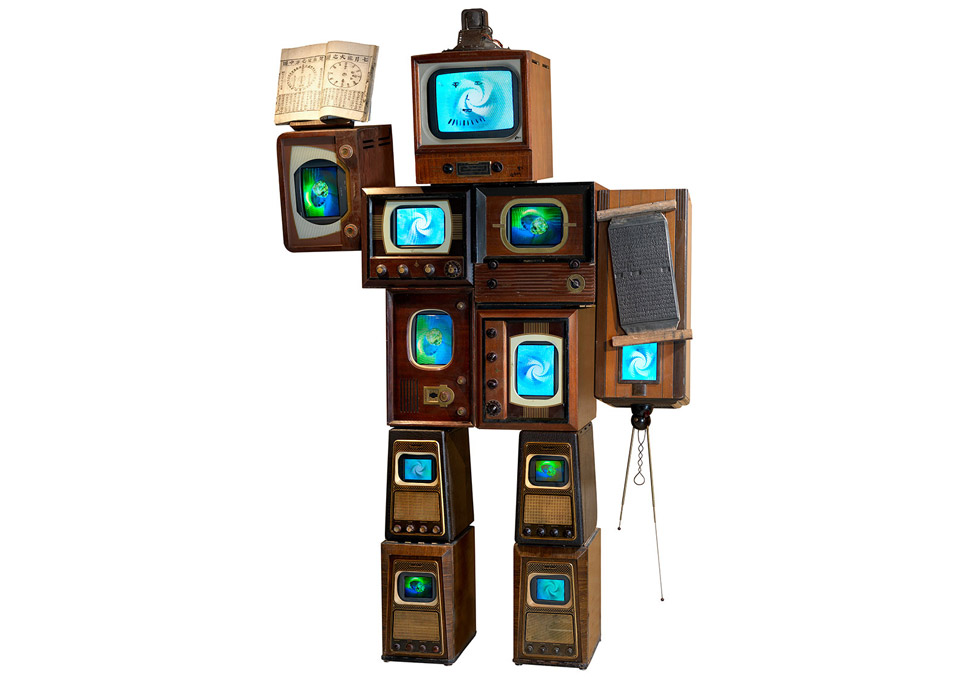
To explore more of Nam June Paik's groundbreaking work, you can visit the Guggenheim Museum's collection or other reputable art institutions housing his pieces.
- Get link
- X
- Other Apps
Comments
Post a Comment